
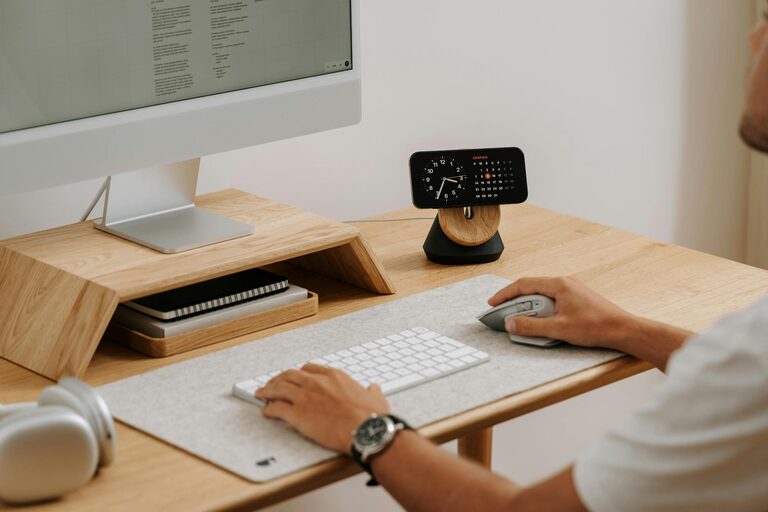
Creating a relaxing home office environment is essential for maintaining focus and productivity throughout the workday. Whether you work remotely full-time or occasionally, the space where you spend your work hours impacts your comfort, motivation, and efficiency. This post explores practical tips to help you create a calming and inspiring home office that invites you to work with ease.
Choose the Right Location
Start by selecting a spot in your home that minimizes distractions and offers enough space for your needs. Ideally, this area should receive natural light and be quiet, away from busy household zones. A corner of the living room, a spare bedroom, or even a dedicated nook can work well. If space is tight, consider versatile furniture that can be tucked away after work hours.
Prioritize Comfort with Ergonomic Furniture
Your furniture choice directly impacts your physical comfort and health. Invest in an ergonomic chair that supports proper posture and reduces back strain, especially if you spend many hours seated. Pair it with a desk at the right height for your body type. Adjustable desks that allow standing and sitting are excellent options to vary your posture and improve circulation.
Use Soothing Colors and Decor
Color influences mood and productivity. Calming tones like soft blues, greens, and neutrals help create a peaceful atmosphere. Incorporate these colors through wall paint, curtains, or accessories. Additionally, keep decorations simple and meaningful. A few personal items such as plants, framed photos, or an inspiring quote can make the space inviting without causing visual clutter.
Optimize Lighting for Comfort and Focus
Proper lighting is crucial to prevent eye strain and improve alertness. Take advantage of natural light as much as possible by positioning your desk near windows. For overcast days or evening work, use adjustable LED desk lamps with warm light settings to avoid harsh glare. Consider adding soft ambient lighting to create a cozy atmosphere when you want to relax after work.
Keep Your Workspace Organized
Clutter can be distracting and stressful. Use storage solutions like shelves, drawer organizers, and filing cabinets to keep papers and supplies neatly arranged. A clear desk surface allows you to focus on tasks without distraction. Develop daily habits like tidying your desk at the end of each workday to maintain an orderly environment.
Add Plants for Freshness and Calm
Indoor plants not only improve air quality but also contribute to a soothing workspace. Easy-care plants like succulents, spider plants, or pothos add a touch of nature and color. Position them near your desk or on shelves to create a visual connection to the outdoors, which can help reduce stress and boost creativity.
Manage Noise to Create Serenity
Noise levels affect concentration and relaxation. Use noise-canceling headphones or play gentle background music to mask distracting sounds. If external noise is persistent, consider soundproofing with rugs, curtains, or acoustic panels. White noise machines can also create a consistent sound environment that soothes and blocks interruptions.
Set Boundaries and Establish a Routine
A relaxing home office is more than just the space itself. Clearly define your work hours and communicate boundaries with household members. Having a routine signals your brain when it’s time to focus and when it’s time to relax. Start your day by organizing your tasks and take regular breaks to refresh your mind.
Personalize Your Space Mindfully
While personalization makes the space uniquely yours, be wary of overdoing it. Choose a few items that inspire you or bring joy, such as artwork, a favorite mug, or motivational quotes. This balance between personalization and simplicity helps maintain a calm and productive environment.
Incorporate Technology Thoughtfully
Use technology that enhances your workflow without causing distractions. Keep cables organized with clips or sleeves to avoid tangles. Invest in equipment like quality webcams and microphones if your work involves video calls, ensuring smooth communication. Avoid clutter by limiting devices to only what you truly need.
Maintain Clean Air and Temperature
A comfortable temperature and fresh air improve focus. Use fans, heaters, or air purifiers to keep the room comfortable year-round. Opening windows periodically allows fresh air circulation, which can reinvigorate your workspace and enhance appetite for work.
—
Creating a relaxing home office environment is a process that combines comfort, functionality, and personal touch. By thoughtfully organizing your space, managing sensory elements like light and sound, and establishing healthy routines, your home office can become a place where productivity and calm coexist. With these tips, you’re well on your way to crafting a workspace that supports your best work, day after day.