
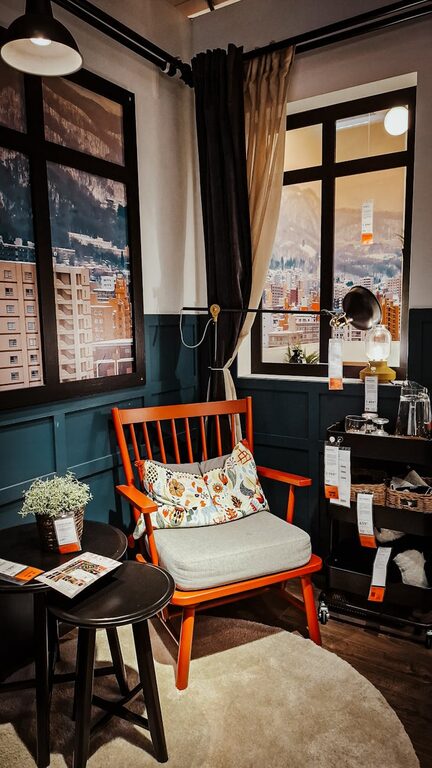
Creating a cozy and inviting home atmosphere doesn’t require a complete overhaul or expensive purchases. With a few thoughtful touches and adjustments, you can transform your living space into a warm retreat that welcomes you and your guests alike. Whether you live in a small apartment or a spacious house, these simple tips will help you foster an environment that feels comfortable, relaxing, and truly inviting.
1. Choose Warm and Soft Lighting
Lighting plays a crucial role in setting the mood of any room. Harsh, bright lights can make a space feel sterile and unwelcoming, while warm, soft lighting creates an ambiance of calm and comfort.
– Use warm light bulbs: Opt for bulbs with a warm color temperature (2700K to 3000K) to create a gentle, cozy glow.
– Incorporate multiple light sources: Layer lighting by using a combination of floor lamps, table lamps, and string lights to avoid reliance on a single overhead light.
– Consider candles: Real or battery-operated candles add flickering warmth and a relaxed vibe.
2. Add Textiles for Softness and Warmth
Textiles bring texture and warmth to a room, making it feel more inviting and lived-in. Including a variety of fabrics softens the space and adds visual interest.
– Cozy throws and blankets: Drape soft blankets over sofas or armchairs to encourage relaxation.
– Plush cushions: Mix different sizes and textures of pillows to create a cushy, inviting seating area.
– Rugs: Use area rugs to add softness underfoot and to anchor a seating arrangement, especially on hard floors.
3. Personalize Your Space with Meaningful Decor
Your home should tell your story. Personal touches make any space feel more authentic and welcoming.
– Display photos and keepsakes: Frame favorite photos or showcase cherished souvenirs.
– Incorporate plants: Indoor plants not only improve air quality but add life and color.
– Choose art and objects you love: Surround yourself with art pieces, books, or objects that have personal significance.
4. Arrange Furniture for Comfort and Connection
Comfortable, functional furniture placement encourages ease and conversation.
– Create cozy seating zones: Arrange sofas and chairs so people can easily see and speak to each other without shouting.
– Avoid cluttered walkways: Make sure there is enough space to move freely; cramped spaces can feel stressful.
– Add small tables: Side tables near seating make it easy to set down drinks or books, enhancing convenience.
5. Embrace Natural Elements
Bringing nature indoors can boost comfort and provide a sense of calm.
– Use natural materials: Wood, stone, and woven textures add timeless warmth.
– Maximize natural light: Keep windows clean and use light curtains to let the sun brighten rooms naturally.
– Incorporate fresh flowers or greenery: These add color and fragrance that refresh the space.
6. Maintain a Clean and Organized Space
Clutter and mess can detract from feelings of comfort and relaxation.
– Set aside time for tidying: A clean room feels more peaceful and welcoming.
– Use storage solutions: Baskets, shelves, and bins can help keep belongings organized and out of sight.
– Keep surfaces clear: Avoid overcrowding tables and countertops to maintain a calm, open atmosphere.
7. Add Soft Scents for a Warm Welcome
Scent is a powerful way to enhance coziness and mood.
– Use natural essential oils: Scents like lavender, vanilla, or cinnamon are comforting and subtle.
– Try simmer pots: Simmer water with citrus slices and herbs for a gentle homemade aroma.
– Avoid overpowering air fresheners: Choose gentle scents that don’t overwhelm or irritate.
8. Incorporate Comfortable Textures in Every Room
Think beyond soft cushions and throws to include a variety of textures throughout your home.
– Velvet, chenille, and fuzzy fabrics: Great for upholstery or accent pillows.
– Woven baskets and wooden accents: Add tactile interest and warmth.
– Curtains and drapes: Choose heavier fabrics in cooler months to add insulation and softness.
9. Create a Relaxing Sound Environment
Sounds influence how a room feels and can either add to or distract from a cozy atmosphere.
– Play soft background music: Gentle instrumental or acoustic music can enhance relaxation.
– Use a white noise machine: This can help mask disruptive noises for a sense of calm.
– Incorporate natural sounds: Sounds of rain, ocean waves, or a crackling fire add a peaceful ambiance.
10. Prioritize Comfort Zones
Finally, designate certain areas within your home as “comfort zones” where you or your guests can fully relax.
– A reading nook: A quiet corner with a comfy chair and good lighting is perfect for downtime.
– A cozy breakfast spot: A small table with natural light creates an inviting place to start the day.
– A calming bedroom environment: Invest in soft bedding and blackout curtains to ensure restful sleep.
—
Creating a cozy and inviting home atmosphere is all about the details. By focusing on lighting, textures, personal touches, and thoughtful arrangement, you can nurture a space that feels welcoming and relaxing every day. Start with one or two tips, and gradually make your home a haven of comfort and warmth.