
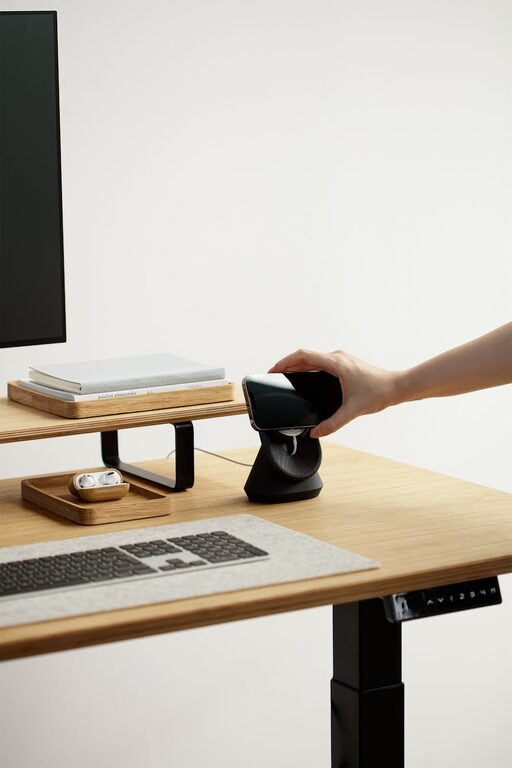
Creating a relaxing home office environment is essential for maintaining focus, productivity, and overall well-being when working from home. A workspace that feels calm and inviting can reduce stress, boost creativity, and help separate work life from personal time. Whether you’re setting up a new office or improving an existing one, these tips can transform your space into a peaceful and efficient area.
Choose the Right Location
Selecting the ideal spot for your home office is the first step toward creating a relaxing environment.
– Natural Light: Place your desk near a window if possible. Natural light helps reduce eye strain and enhances mood.
– Quiet Area: Pick a space away from household noise or high-traffic areas to minimize distractions.
– Separation: If possible, choose a dedicated room or corner that distinguishes your workspace from the rest of your home.
Invest in Comfortable Furniture
Comfort plays a big role in creating a relaxing workspace.
– Ergonomic Chair: Invest in an ergonomic chair that supports your back and encourages good posture.
– Adjustable Desk: Consider a desk that accommodates your height and allows for sitting or standing options.
– Desk Space: Ensure you have enough room to organize your essentials without clutter.
Optimize Lighting
Proper lighting reduces eye fatigue and sets the atmosphere.
– Layered Lighting: Combine natural light with ambient and task lighting to create balanced illumination.
– Warm Light: Use bulbs with a warm color temperature for a cozy feel, avoiding harsh white or blue light.
– Adjustable Lamps: Desk lamps with adjustable brightness can help you tailor lighting based on tasks.
Declutter and Organize
A tidy workspace promotes relaxation by reducing visual distractions.
– Storage Solutions: Use shelves, drawers, and containers to keep your desk clear.
– Minimalist Approach: Keep only essential items on your desk.
– Regular Cleaning: Take a few minutes each day to tidy up and maintain organization.
Personalize Your Space
Adding personal touches can make your office feel more inviting and less sterile.
– Plants: Small indoor plants improve air quality and add a calming natural element.
– Artwork: Display images or prints that inspire or soothe you.
– Decorative Items: Use items like candles, decorative bowls, or cozy textiles to add warmth.
Incorporate Calming Colors
Colors influence mood and productivity.
– Soft Hues: Choose calming colors like soft blues, greens, or neutral tones for walls and décor.
– Accent Colors: Add pops of color sparingly to energize without overwhelming.
– Consistency: Use a cohesive color palette to create harmony in your workspace.
Manage Noise Levels
Noise can be disruptive and stressful.
– Noise-Canceling Headphones: Great for blocking out household sounds.
– White Noise Machines: These can create a consistent, soothing background sound.
– Soft Furnishings: Rugs, curtains, and cushions help absorb sound to reduce echo.
Create a Routine to Separate Work and Relaxation
A relaxing office environment supports a healthy work-life balance.
– Set Work Hours: Define clear working times to avoid burnout.
– Take Breaks: Use timers or apps to remind yourself to step away regularly.
– End-of-Day Ritual: Develop a habit to close your office space physically or mentally, signaling the end of the workday.
Add Technology Wisely
Technology should support, not distract, your work.
– Organized Cables: Use cable organizers to keep cords tidy.
– Essential Devices: Only keep necessary devices on your desk to avoid clutter.
– Quality Equipment: Use reliable tools like a good monitor, keyboard, and mouse to improve comfort.
Maintain Good Air Quality
Fresh air can help you stay alert and comfortable.
– Ventilation: Open windows when possible or use a fan to circulate air.
– Air Purifiers: Consider an air purifier, especially in enclosed spaces.
– Humidity: Maintain a comfortable humidity level to avoid dryness.
Final Thoughts
Creating a relaxing home office environment is about balancing comfort, functionality, and personal touches. With thoughtful setup and intention, your workspace can become a place where you look forward to spending time, accomplishing tasks with less stress, and maintaining a harmonious work-life rhythm. Start with small changes and adjust your space to fit your needs—it’s your personal hub for productivity and peace.