
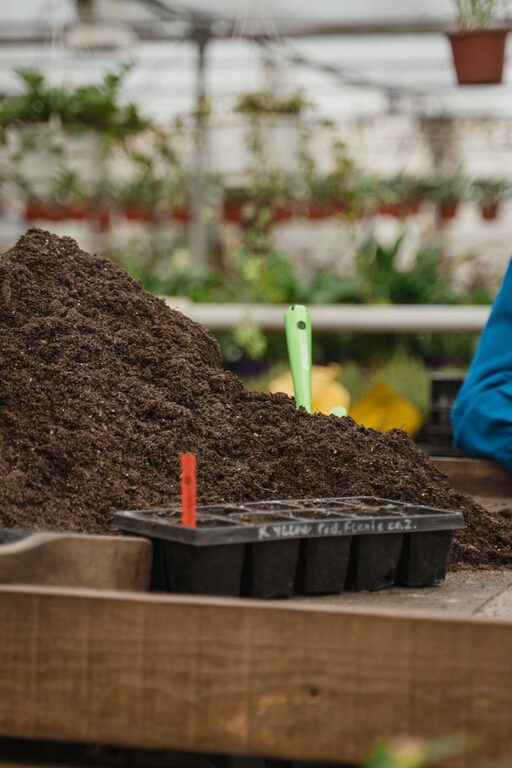
Starting a home gardening project can be an exciting and rewarding experience. Whether you have a spacious backyard or just a small balcony, gardening offers a chance to connect with nature, grow fresh produce, and enhance your living space. If you’re new to gardening or looking to improve your current setup, this guide offers helpful tips to get you started on the right foot.
Why Start a Home Garden?
Home gardening not only beautifies your surroundings but also promotes relaxation and healthy eating. Growing your own herbs, vegetables, and flowers can give you a sense of accomplishment while reducing grocery bills and carbon footprint. Plus, gardening can be tailored to fit your preferences, space, and schedule.
Getting Started: Planning Your Garden
1. Assess Your Space
The first step is to evaluate the space you have available. Consider sunlight exposure, soil condition, and accessibility.
– Sunlight: Most vegetables and many flowers need at least 6 hours of direct sunlight daily. Observe your yard or balcony throughout the day to identify sunny and shaded spots.
– Soil Quality: If planting in the ground, check the soil texture and drainage. Healthy soil is loose, drains well, and rich in organic matter.
– Space Constraints: If limited to pots or containers, choose plants that thrive in small spaces.
2. Set Realistic Goals
Decide what you want from your garden. Are you aiming to grow vegetables, herbs, flowers, or a mix? Setting clear goals helps determine the types of plants, their care needs, and layout.
3. Start Small
For beginners, starting with a small garden area or a few containers is best. This approach allows you to learn without becoming overwhelmed.
Choosing the Right Plants
1. Consider Your Climate and Season
Select plants suited to your local climate and the season. Local gardening centers or extension services often provide lists of recommended plants.
2. Pick Low-Maintenance Varieties
Some plants require less attention and are more forgiving for beginners, such as:
– Herbs like basil, mint, or chives
– Vegetables like lettuce, radishes, or cherry tomatoes
– Flowers like marigolds or zinnias
3. Companion Planting
Certain plants support each other’s growth when planted nearby, improving pest control and nutrient uptake. Research companion planting combinations for added benefits.
Preparing Your Garden Beds or Containers
1. Soil Preparation
Good soil is key to a thriving garden. For ground beds:
– Remove weeds and debris
– Loosen the soil with a garden fork or tiller
– Add organic matter like compost to enrich nutrients
For containers:
– Use high-quality potting mix designed for container gardening
– Ensure containers have drainage holes to prevent waterlogging
2. Choosing Containers
If space is limited, container gardening offers flexibility. Choose pots of various sizes depending on plant requirements.
– Use lightweight materials like plastic or fabric pots if portability is needed
– Consider self-watering containers for easier maintenance
Planting and Care Tips
1. Timing
Plant seeds or seedlings at the appropriate time to maximize growth. Check seed packets or local planting calendars.
2. Watering
Water plants deeply but less frequently to encourage strong root growth. Early morning or late afternoon watering helps reduce evaporation.
3. Mulching
Apply mulch around plants to retain moisture, regulate soil temperature, and reduce weeds.
4. Fertilizing
Feed plants with balanced fertilizers or organic options like compost tea. Follow instructions to avoid over-fertilizing.
5. Pest and Disease Management
Monitor plants regularly for signs of pests or diseases. Encourage beneficial insects like ladybugs and use natural remedies when possible.
Maintaining Your Garden
– Regular Weeding: Keep weeds in check to reduce competition for nutrients.
– Pruning: Trim dead or overgrown parts to promote healthy growth.
– Harvesting: Pick ripe fruits, vegetables, or herbs promptly to encourage more production.
Helpful Tools for Beginners
– Gardening gloves to protect your hands
– A watering can or hose with spray nozzle
– Hand trowel and cultivator for planting and soil loosening
– Pruning shears for trimming
Enjoying the Benefits
A well-maintained home garden can provide fresh ingredients for your kitchen, provide a calming hobby, and beautify your environment. Sharing your gardening progress with friends or joining local gardening groups can add to the fun and learning.
Final Thoughts
Starting a successful home gardening project takes some initial planning and patience, but the rewards are well worth the effort. Begin small, choose plants wisely, care for them consistently, and watch your garden flourish. Happy gardening!